Does it Work?

Does it Work?

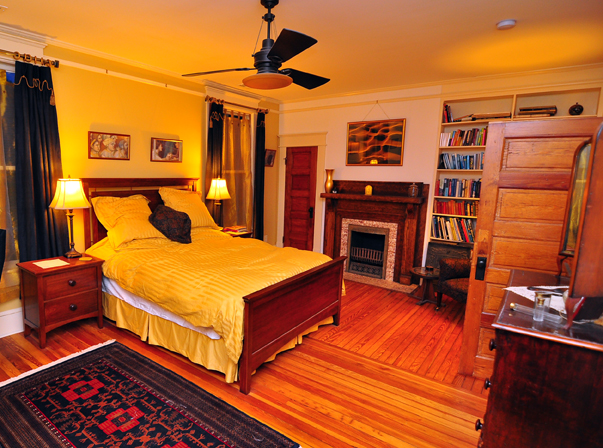
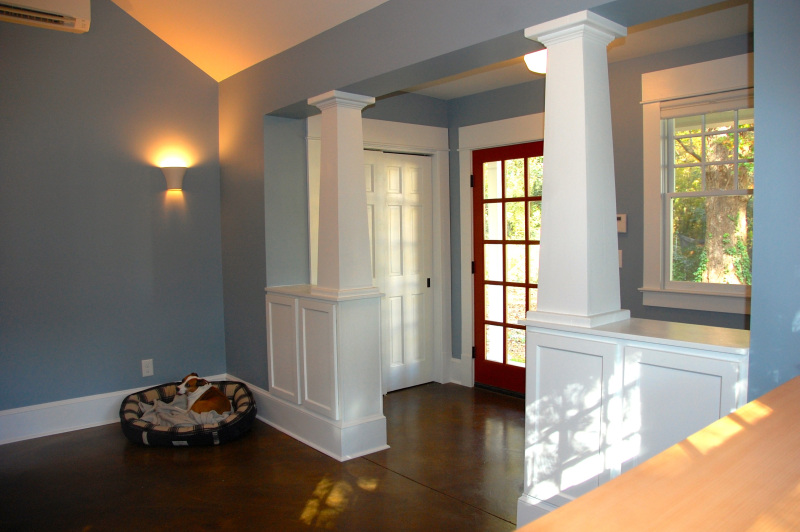
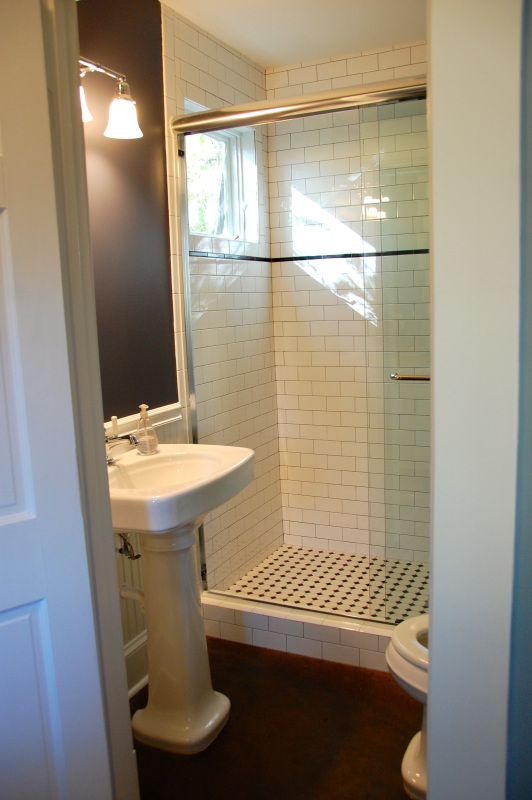
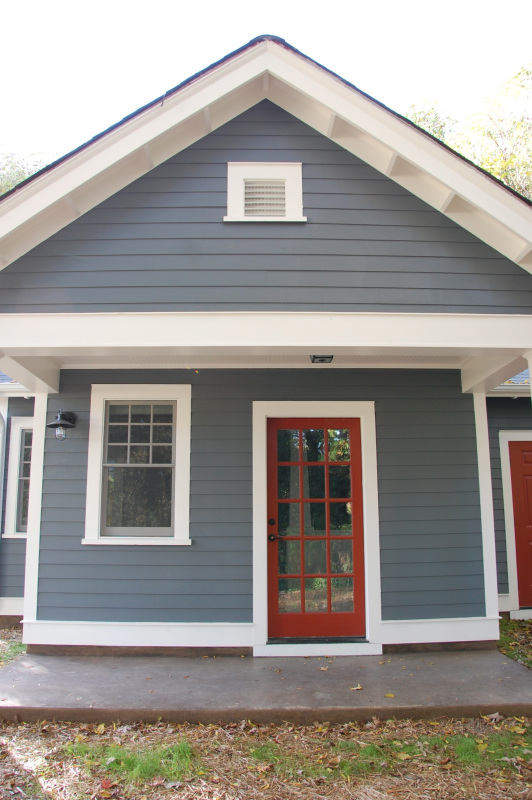
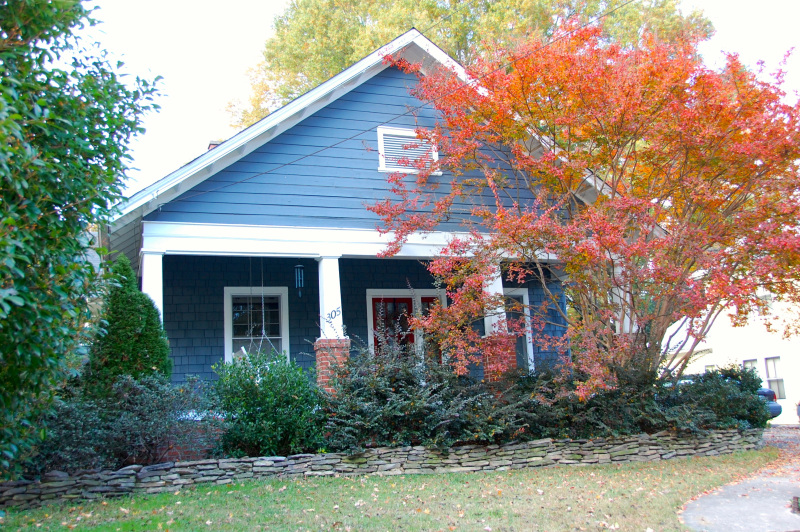
Over the holiday break, I had the opportunity to visit a former client and her magnificent house. We did the bulk of the work on it about three years ago, and she has been in it for over two years now, so there were lots of reminiscences about the process and construction, disappointments and discoveries. At one point, another of the visitors turned to me and asked whether it was all worth it. Without hesitating, I turned to the homeowner and asked, “Does it work?”

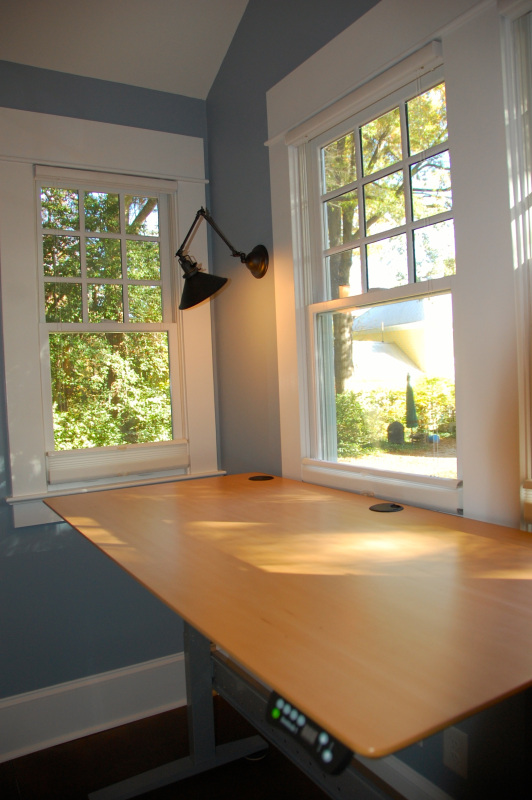
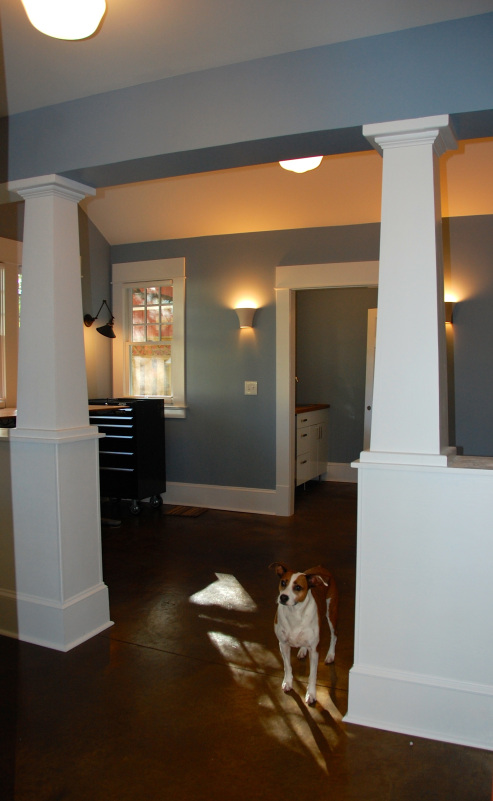
Because as far as I’m concerned, it does not matter if I’m not particularly partial to the colors of a room or the style of couch in the living room – what matters to me is that the house does what it needs to do for that family and how they live, while still being true to its historic self. In this particular case, the house hosts about 1 1/2 events every week (130 people were to arrive for lunch the day after our visit) and yet is still cozy and wonderful for the four permanent residents. The little girl loves her room with pink knobs on the built-in, the little boy plays basketball in the renovated attic, and there’s now a use for the funny attic room where you can’t even hear the doorbell – a home office for when they need to hide. At the same time, the grand spaces with all their historic detail have remained intact and are being used fully: what more can I ask for?

Corbusier said, some dozen years after this house was built, that “the house is a machine for living in.” While the house in question is miles away conceptually from Corbu’s cubes, he’s absolutely right. Bringing a house like this back up to speed as a modern machine, suited to the peculiarities and necessities of the new family, was one of the greatest projects I’ve had the pleasure of working on – and yes, totally worth it. Because it works.
Book a Consult

hi.there@fouroverone.com   (919) 339-1411
Office Address: 1235 Berkeley St, Durham, NC, 27705
Mailing Address: P.O. Box 355, Durham NC, 27702
The Glory of Constraints

The Glory of Constraints

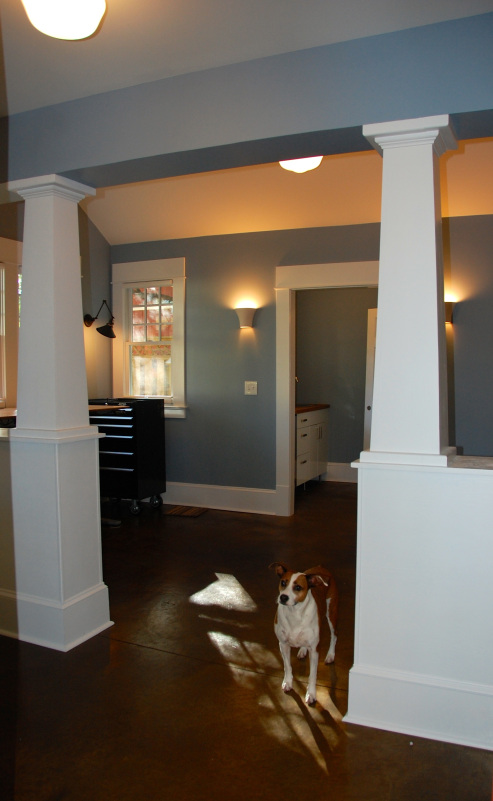
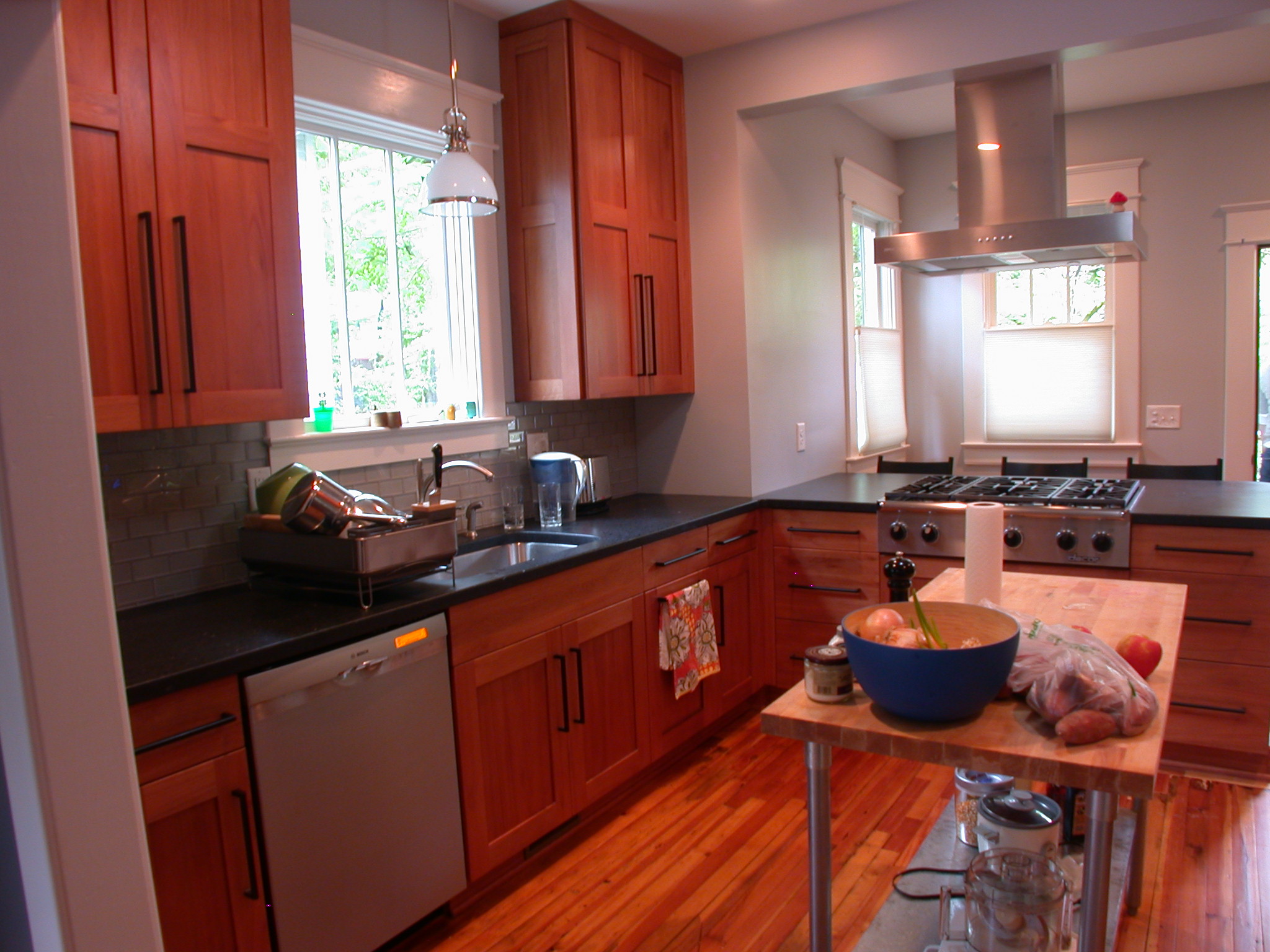
In fact, I’d say that the most creative and pleasing results come when there are constraints around a design that really push the solution in a new direction.  Finding an example of this kind of problem-solving is challenging –  because the best ones you never know are there once the project is built – but an odd setback on this house meant we had to jog in where the former back wall of the house once sat.  How on earth could a kitchen wall jog in two feet along its span? By making it the origin of the peninsula.  The constraint gave us a framework for the new addition, provided the larger kitchen the owners’ wanted, and allowed the old house to be what it was at the same time.

I have been mulling this over ever since I attended a local historic preservation commission meeting where each of the applicants is getting exactly what they want from their project while following all the rules – a combination that some seem to believe is impossible in an historic district.  While there are a few things that are indeed inappropriate in a district (if you want a modern house, go buy a modern house, don’t try to strong-arm a sweet little victorian into the wrong size shoes, ok?  it’s like taking your great-aunt to the biker bar, and no one will be comfortable), the vast majority of that is about style and now about function.  We can always find a way to incorporate a purpose or a space in a way that is good for the house and good for the family at the same time.

Book a Consult

hi.there@fouroverone.com   (919) 339-1411
Office Address: 1235 Berkeley St, Durham, NC, 27705
Mailing Address: P.O. Box 355, Durham NC, 27702

Hunting the Wild Linthicum

Hunting the Wild Linthicum

For the purple castle project, I have been trying to establish who first lived in the house.  The slightly loony man who brokered the sale of the house (let’s call him Mr. Gravy) swore that the house had originally belonged to an architect and his wife.  Mr. Gravy said they owned the entire corner and the house faced the main street, with a wide, circular drive.  After a few years ‘out in the country,’  the missus insisted that they move back into town, and the property was sold.  The new owners wanted to know the truth, so off I go to write a proper house history.

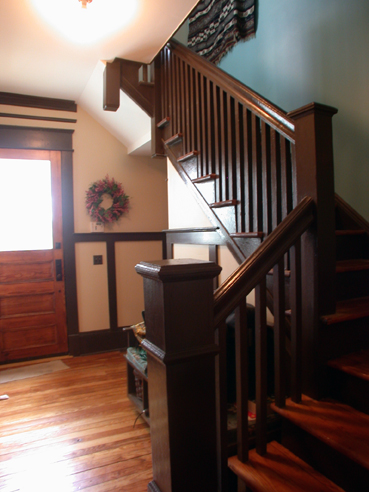
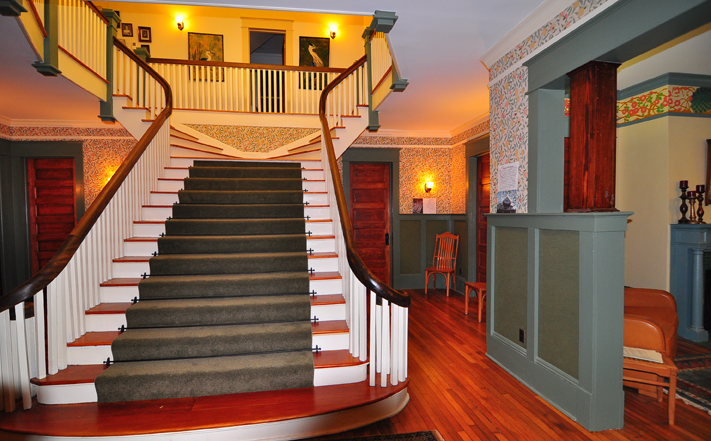
The stair hall of the purple castle

Some grain of truth seemed plausible from all this: the house appeared to be earlier than many in the neighborhood (now Watts-Hillandale, then Club Estates and Hester Heights), which was platted around 1910 but did not get a streetcar nor dense settlement until a decade or so later.  Tax records (always a dubious authority around here) have the house constructed in 1911 – definitely earlier than  everything else nearby.  And I give Mr. Gravy about as much credence as the tax records.  So what’s the real story?

The West End Land Company sold two lots to Hill C. and Josie S. Linthicum on August 14, 1915.  Hill C. Linthicum was a practicing architect for many years, who had settled in Durham by 1904.  The first lot (#75) was where the purple castle now sits, plus the 1950s ranch immediately to its north; the second (#77) was around the corner on Club Boulevard, with an adjoining back yard.  16 months later in December, 1916, they transfer the purple castle’s lot (now subdivided from the original wider parcel) to their son, Henry Colvin Linthicum, and his wife Catherine.

Henry (or Henri) C. Linthicum had moved to Durham about 1912 to work as a draftsman in his father’s firm.  The two of them were listed in a 1916 business directory as ‘specialists in modern schools,’ and he officially joined the firm in 1918.  Both the Linthicums and their wives are listed at 703 Jackson Street (a house lost to the Durham freeway) in the 1915 city directory, when the lots were purchased.

In the 1919 city directory, however, Hill is listed at Club Boulevard near 12th Street, and Henry is at “16th, corner D, Oakland Heights.”  What?  there is no such intersection… unless you extrapolate a little bit.  Before the area was incorporated, the streets in this area were lettered and numbered – a carry over from the mill area south and east of Club Boulevard.  9th and 15th are still around, but the rest were renamed eventually.  That said, this lovely map, off of Old West Durham’s fantastic website, shows the basic grid.

Old West Durham map, c.1920 – with thanks for the OWDNA website

Knowing that the streetcar line went up 7th (now Broad) to E (now Club), 16th and D puts the younger Linthicum at the corner of Alabama and Englewood – tada!

2023 West Club Boulevard

As for where Hill C. and his wife were living through his last days (he passed away in October of 1919), 12th looks to be about the location of Carolina Avenue today… in which case, I might propose this house, if the penchant for brackets and shakes ran in the family.

I’ve still got a few loose threads to tie up, including what popped up in Henry and Catherine’s daughter’s obituary.  It looks like Diana Skipworth Linthicum Coley, born in 1912, tells her stories of growing up in Raleigh – and the Linthicums weren’t there until after 1920 at least.  I wonder if the elder Linthicum’s passing in 1919 helped push the younger family out of town?  Regardless, Henry Linthicum sold the purple castle in 1921 to Ira J. and Lizzie Stoner, who owned the house for 22 years and gave it its name for the national register nomination.  Lizzie sold it to J.W. Wilkinson in 1944 – a name connected with the building trades in Durham.  I’d wager he’s the one who cut up the house and turned it to apartments, classy light pole support system and all.

So there’s definitely some truth to Mr. Gravy’s claims about the history of the purple castle – long circular driveway notwithstanding – and I am looking forward to finding out the last details and giving the new owners the full story.

Book a Consult

hi.there@fouroverone.com   (919) 339-1411
Office Address: 1235 Berkeley St, Durham, NC, 27705
Mailing Address: P.O. Box 355, Durham NC, 27702

Fieldwork in South Carolina

Fieldwork in South Carolina

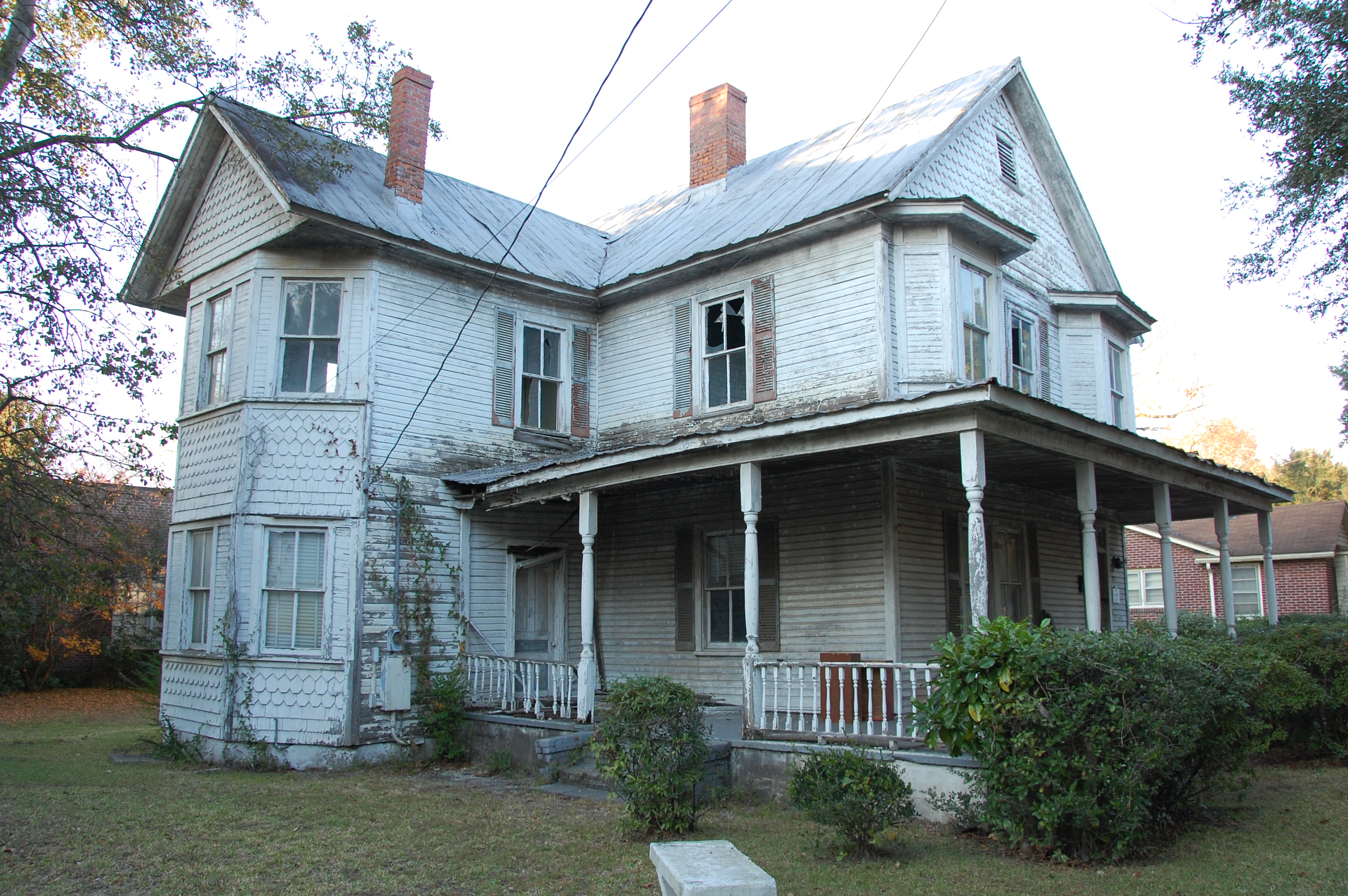
This past weekend I set off for a lovely weekend in South Carolina, brought on by an assignment: documenting a c.1905 parsonage in Georgetown, about an hour north of Charleston.  Given my husband’s and my love of Charleston, we decided to make a weekend of it and stay there, and I took Saturday afternoon to run up and do the measurements of the old house.  Best of all worlds!

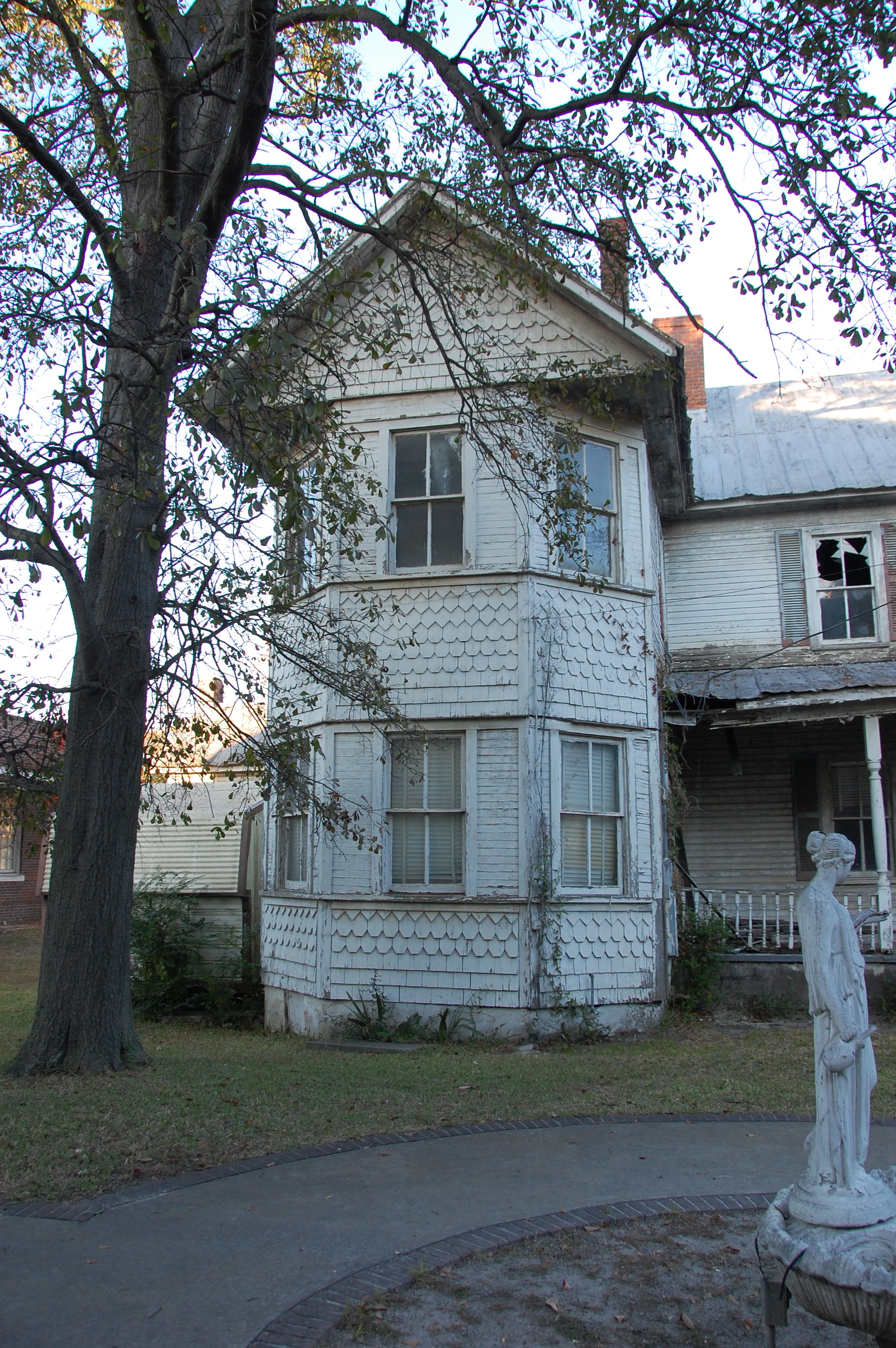
The parsonage, sited immediately beside the Bethel church that is itself a landmark, has a failing metal roof that is allowing some significant damage to take place in the walls below.  Regardless, as I told the pastor, I’ve seen worse come back to beautiful and I’m sure they can do the same.  They’re under the guidance of the wonderful Mary Ruffin Hanbury, and now that I’ve been down there I am looking forward to seeing her plans.

Most of the stuff once stored in the house had been moved down to the first floor rooms… this made getting through them a bit of an adventure, involving moving stacks of children’s chairs and sliding around old refrigerators.  At one point, the charming elderly lady who was there to greet me admitted that she thought measuring “was a man’s job, but you look like you know what you’re doing.”  Ha!  If the volunteer assisting me hadn’t been at least 6′ tall, I would not have been able to pull it off so well.

That said, the upstairs rooms were cleared out and gorgeous: good light, lovely moldings, gobs of potential.  The group is considering making it a sort of visitors’ center for those who come see the church… I wouldn’t be surprised if they had people coming to see the house just for itself, too.  It certainly was a treat for me; now I just have to take my mess of measurements and make it presentable!


Book a Consult

hi.there@fouroverone.com   (919) 339-1411
Office Address: 1235 Berkeley St, Durham, NC, 27705
Mailing Address: P.O. Box 355, Durham NC, 27702

Archiving All of This?

Archiving All of This?

An interesting question flew across my radar today, nearly lost in the haze of all-that-must-be-done: how on earth is all that we’re creating now being archived?

As someone involved on a daily basis with history and the historic in a very tangible way, the idea of preserving the detritus of normal life is very appealing; after all, nothing is more fun that finding a scrap of newspaper under wall-to-wall carpeting or an old shoe behind a staircase.  Photos behind the

paleography handwriting family history genealogy lifelines

Sure looks prettier than a fail whale. Photo: flikr creative commons/martin kingsley

mantle? even more fun!  A century-old diary is a remarkable and fragile thing to hold… so what will become of my twitter feed? (Pithy though it is, I’m not entirely sure it deserves archiving.)  Regardless, there are people with the forethought to consider how future generations will research and access all that is created now.

It leads me to wonder: of our built environment, how do we start planning on preservation now?  Is the green movement, theoretically concerned with the full life-cycle of buildings, taking into consideration how we can maintain and preserve those buildings for generations to come? or are they instead planning for when they’re obsolete and need to be recycled into new carpet tiles and metal roofs?

Further, if the end of the McMansion is indeed here (already under discussion back in 2005) and those neighborhoods of giants become the next slums, then how and when will we get around to preserving those?  and heaven help me when I head out to do that fieldwork…

I firmly believe that one reason why historic preservation is so appealing to people now is that most of the ingredients in this modern life are meant to be transient, to flit across our brains and out the other side, to slide across our table and into the trash.  Buildings that express a permanence and temporal stability give us something to ground ourselves with, an anchor to hold onto.  So perhaps those archivists struggling to collect all the waves of information and words created today will provide some of that steadiness for the future… or at least an ‘oh, fun!’ moment of the postcard behind the built-in.

Book a Consult

hi.there@fouroverone.com   (919) 339-1411
Office Address: 1235 Berkeley St, Durham, NC, 27705
Mailing Address: P.O. Box 355, Durham NC, 27702